WHAT IS A SUBSCRIPTION IN ECOMMERCE? THE COMPLETE 2026 GUIDE
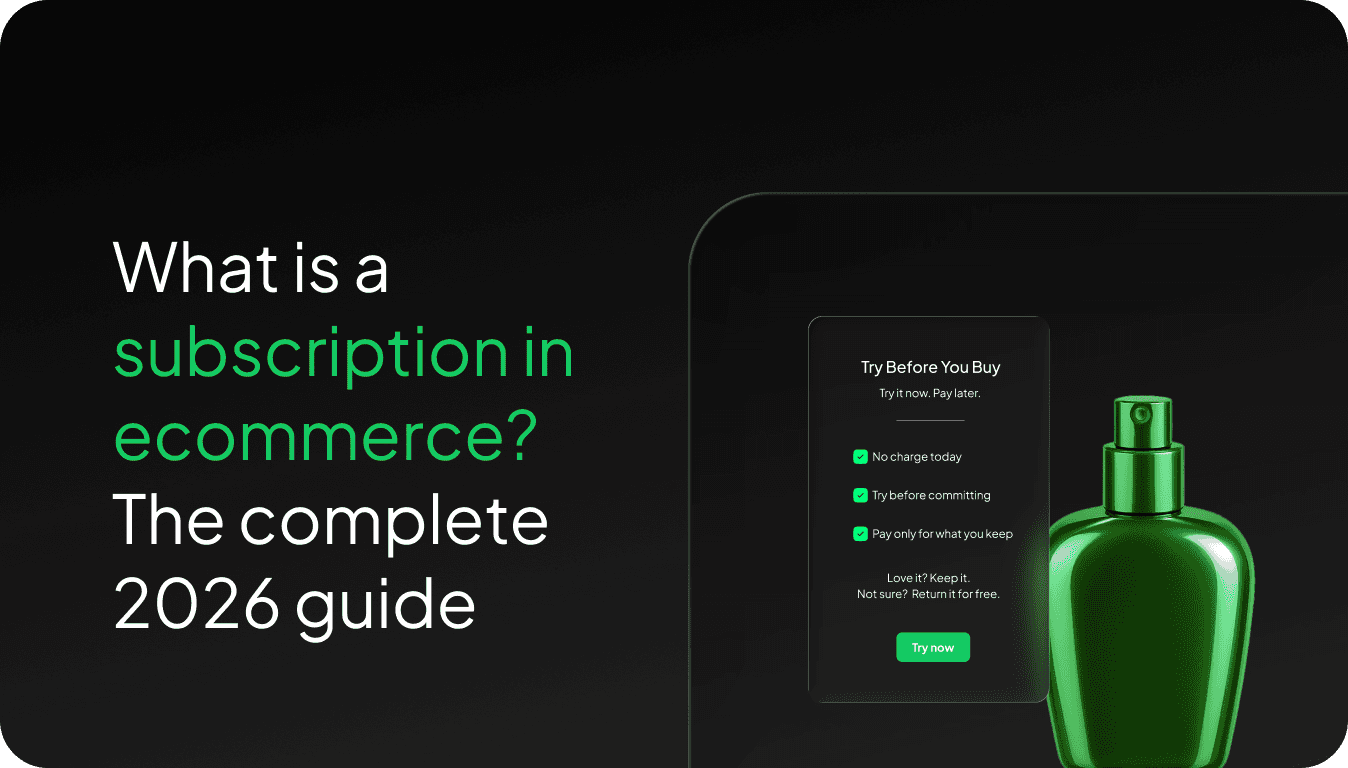
Everything you need to know about subscription models, from basic replenishment to advanced membership programs that drive predictable, compounding revenue.
A subscription in ecommerce is a business model where customers pay recurring fees to receive products, services, or benefits on a regular schedule. But that textbook definition misses the bigger picture completely.
The real power of subscriptions isn’t the recurring payment. It’s the ongoing relationship.
When done right, subscriptions transform one-time buyers into committed customers who generate predictable revenue month after month. When done wrong, they create churn problems that cost more than they solve.
Types of Ecommerce Subscriptions That Actually Work
Not all subscription models are created equal. Here’s what works in 2026.
Replenishment subscriptions deliver consumable products automatically. Think razors, vitamins, or coffee. The value proposition is convenience and never running out. This works best for products customers use predictably on a regular cycle.
Curation subscriptions send curated selections of products. Beauty boxes, meal kits, and book clubs fall here. The value is discovery and surprise. Success depends entirely on curation quality and personalization.
Access subscriptions provide ongoing benefits rather than physical products. Think Amazon Prime or Spotify Premium. In ecommerce, this often means exclusive pricing, early access, or premium shipping.
Membership subscriptions combine store credit with exclusive perks. Customers pay monthly and receive credit equal to or greater than their payment, plus additional benefits. This model drives the highest retention rates because the credit feels like money customers already own.
Subscribfy’s client data shows membership models generating 157% higher LTV compared to traditional subscriptions, across brands like Pair Eyewear and Riversol.
Why Most Subscription Programs Fail
Here’s what kills subscription programs.
Wrong product fit. Not every product works as a subscription. Jewelry and furniture don’t need monthly deliveries. But they work beautifully with membership models where customers get monthly credit to spend when they want.
Pricing mistakes. Too expensive and customers won’t start. Too cheap and the unit economics don’t work. The sweet spot varies by category, but $25–50 monthly memberships work across most verticals.
No real value. Customers need to feel they’re getting more value than they’re paying. A 10% discount on a $30 monthly fee isn’t compelling. $30 in store credit plus 15% off everything plus free shipping is.
Complicated management. If customers can’t easily skip, pause, or modify their subscription, they’ll cancel instead. Friction in subscription management is a conversion killer.
The Economics Behind Successful Subscriptions
The math is simple but powerful. Customer lifetime value increases dramatically when you can predict monthly revenue from existing customers.
Traditional ecommerce: a customer buys once for $75. Maybe buys again in six months. LTV depends entirely on your ability to re-engage them.
Subscription ecommerce: a customer pays $30 monthly and receives $35 in value. After 12 months, they’ve paid $360 but feel like they’ve received $420+ in value. Their LTV is predictable and typically 2–3x higher.
The key metric isn’t monthly recurring revenue alone. It’s the ratio of customer lifetime value to customer acquisition cost (LTV:CAC). A 3:1 ratio is the widely accepted minimum benchmark for sustainable subscription growth: you’re generating enough from each customer to justify acquiring them and reinvest in the business. Below that, acquisition is subsidizing a leaky model.
Implementation: What Works in 2026
Start with your best customers. Don’t launch subscriptions to everyone. Identify customers who already buy frequently and offer them an upgrade path. These customers have the highest conversion rates and lowest churn.
Use native checkout. Subscription options should appear in your regular Shopify checkout, not redirect to external pages. Friction kills conversion.
Layer benefits strategically. Don’t rely on one perk. Combine store credit with percentage discounts, early access, and exclusive products. Perceived value should always exceed the price.
Monitor cohorts religiously. Track how each monthly cohort performs over time. Month 1 churn tells you about onboarding. Month 6 churn tells you about long-term value delivery.
Integrate with email marketing. Subscription events should trigger automated email sequences. Use platforms like Klaviyo to send targeted messages based on subscription status, upcoming charges, and usage patterns.
Subscription vs. Membership: The Difference That Matters
Traditional subscriptions focus on product delivery. Memberships focus on customer relationships and value delivery.
Tres Colori, a jewelry brand, discovered this difference firsthand. Jewelry subscriptions make no sense. Nobody wants auto-shipped necklaces. But jewelry membership? 48% of their total revenue now comes from members who pay monthly for store credit and exclusive access.
The psychological difference is significant. Subscriptions feel like recurring bills. Memberships feel like VIP access to value that already belongs to you.
Technology Requirements for 2026
Modern subscription platforms need to handle more than billing. Look for:
Analytics beyond revenue. Track opt-in rates, churn by cohort, credit utilization, and LTV projections.
Flexible billing. Support annual discounts, promotional pricing, and easy plan changes.
Customer portal. Let customers manage everything themselves: pause, skip, modify, or cancel without contacting support.
Integration depth. Your subscription platform should sync customer data with your email platform, loyalty program, and analytics tools automatically.
Subscribfy handles all of this natively on Shopify and provides strategic support to optimize performance month by month.
Subscriptions in ecommerce aren’t just about recurring revenue. They’re about building relationships that compound over time. When customers feel like they belong to something valuable rather than just buying something repeatedly, the business model becomes durable.
The brands winning in 2026 understand this distinction. They’re not automating purchases. They’re creating ongoing value that customers want to pay for month after month.

Book a meeting with our sales team now!
Create predictable revenue from the customers you already have.