Subscription Fatigue Statistics 2026: 12 Key Numbers
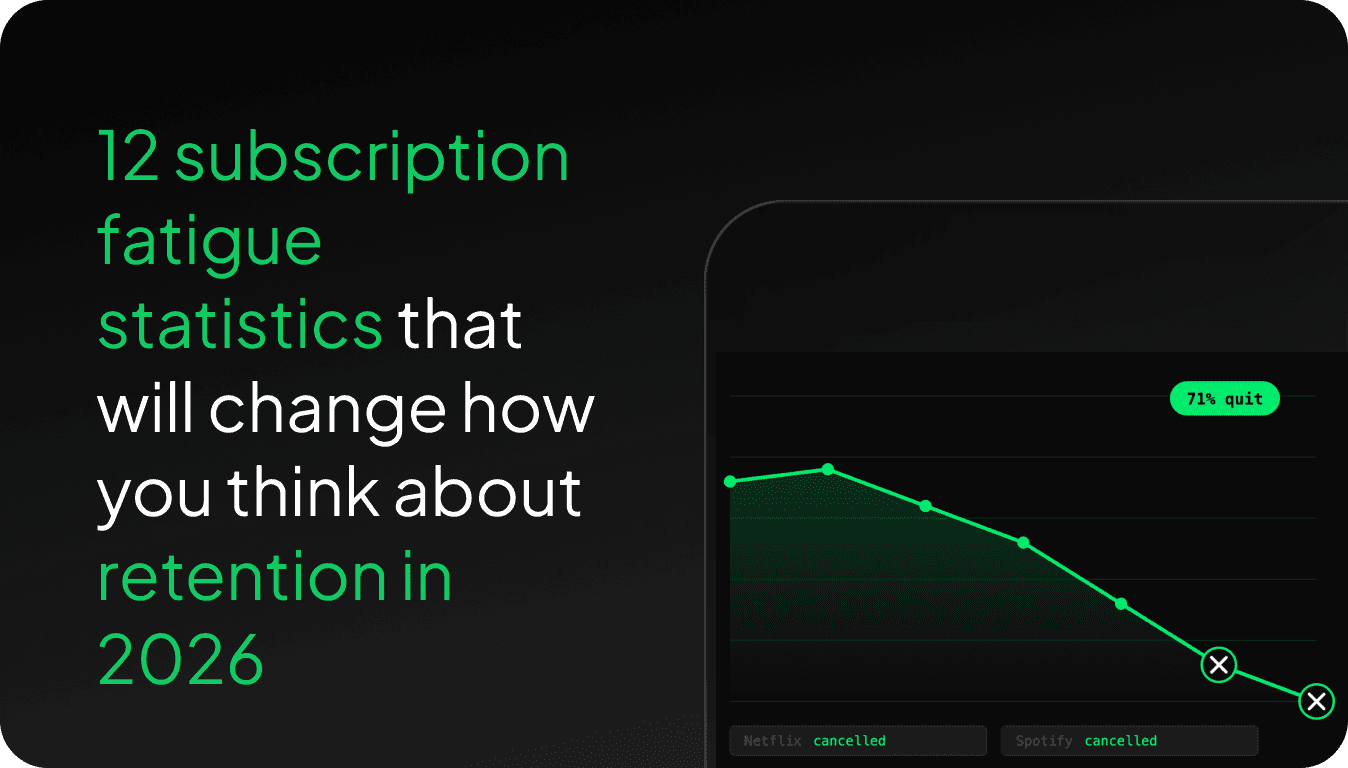
71% of consumers canceled a subscription last year. These 12 statistics reveal why the model is breaking — and what's replacing it.
The data is in: subscription fatigue is reshaping the entire economy. These statistics reveal why brands are pivoting to membership models instead. 71% of consumers are actively canceling subscriptions. Here’s what the data tells us about the future of recurring revenue.
Subscription fatigue isn’t just a buzzword anymore. It’s a measurable crisis reshaping how brands think about recurring revenue.
The numbers paint a stark picture: consumers are overwhelmed, oversubscribed, and increasingly selective about what they keep. But buried in this data is a roadmap for brands willing to adapt.
Here are 12 subscription fatigue statistics that reveal the real state of recurring revenue in 2026.
The Scale of Subscription Fatigue
1. 71% of consumers have canceled at least one subscription in the past year due to “subscription overload”
According to Zuora’s 2026 Subscription Economy Index, nearly three-quarters of subscribers are actively pruning their recurring payments. This isn’t passive churn from forgotten charges. It’s deliberate cancellation driven by fatigue.
The average household now manages 11.2 active subscriptions, up from 3.4 in 2019. That cognitive load is breaking consumers.
2. Subscription cancellation rates hit 35% in Q4 2025, the highest level since tracking began
McKinsey’s research shows voluntary churn accelerating across all categories. Entertainment leads at 42% annual churn, followed by software (38%) and commerce subscriptions (31%).
This isn’t seasonal fluctuation. It’s a structural change in how consumers approach recurring commitments.
The Financial Impact
3. The average consumer spends $273 monthly on subscriptions but only actively uses 40% of what they pay for
Deloitte’s Consumer Insights reveals a massive usage gap. Consumers know they’re overpaying but feel trapped by cancellation friction and fear of losing access.
This creates an opening for brands offering more transparent value exchange.
4. 68% of consumers say they would rather pay once and receive ongoing benefits than commit to monthly charges
Forrester’s 2026 Customer Preferences Study shows clear preference shifting away from traditional subscription models. Consumers want control over when and how they engage with brands.
This explains why Subscribfy’s membership model, where customers pay monthly but receive store credit they control, sees 45% average opt-in rates at checkout.
Category-Specific Fatigue Patterns
5. Commerce subscriptions have 23% lower retention than memberships offering store credit and choice
Data from Retention Science comparing traditional “send me products every month” subscriptions versus credit-based membership programs shows a clear winner. When customers control what they get and when, they stay longer.
Pair Eyewear proved this by launching a membership program instead of traditional subscriptions. Eyewear doesn’t fit auto-recurring shipments, but their “Pair+” membership drives 157% higher LTV by giving customers credit to use on their timeline.
6. 81% of subscription cancellations happen between months 2 and 4, with “I don’t need this every month” as the top reason
Baymard Institute’s research pinpoints exactly when and why subscribers leave. The rigid monthly cadence breaks the relationship before value compounds.
This timing pattern is why Subscribfy’s approach focuses on flexible credit systems rather than forced recurring shipments.
The Psychology Behind the Numbers
7. “Subscription anxiety” affects 59% of consumers who worry about forgetting to cancel services they don’t use
According to Harvard Business Review’s consumer psychology research, the fear of being trapped in unwanted subscriptions now influences purchase decisions more than price in 34% of cases.
Brands need to design for trust, not just retention.
8. Consumers check subscription management apps 3.7 times per month, spending an average of 12 minutes reviewing recurring charges
Statista’s digital behavior data shows subscription management has become active behavior, not passive acceptance. Apps like Truebill and Honey report 340% user growth in 2025.
The implication: consumers are hunting for things to cancel. Your subscription needs to justify itself constantly.
What’s Working Instead
9. Membership programs with immediate value exchange see 67% higher 12-month retention than traditional subscriptions
Research from Accenture’s Commerce Study comparing subscription models reveals why credit-based memberships outperform product subscriptions. When customers receive store credit upfront, it feels like money they already own.
Tres Colori jewelry proves this works even in unexpected categories. Their “Tres VIP” membership drives 48% of total revenue with 49% opt-in rates, despite jewelry being the last product you’d expect to work as a subscription.
10. Brands combining membership with loyalty see +115% LTV improvement versus subscription-only models
Subscribfy’s platform data across 200+ brands shows the compound effect of layered retention strategies. Points reward past behavior. Membership creates future commitment. Together, they’re harder to cancel than either alone.
The Generational Divide
11. Gen Z cancels subscriptions 42% faster than Millennials but joins membership programs at 2.3x the rate
Pew Research Center data reveals younger consumers reject traditional subscriptions but embrace community-driven memberships. They want belonging, not just products delivered on a schedule.
12. 78% of brands report subscription fatigue affecting their growth plans, with 45% exploring alternative retention models in 2026
Shopify’s Merchant Survey shows the crisis has reached brand boardrooms. Traditional subscription boxes and auto-recurring products are losing effectiveness.
What This Means for Your Brand
The subscription economy isn’t dead. It’s evolving beyond rigid monthly product shipments toward flexible value exchange.
Successful brands in 2026 will offer choice within commitment. Store credit memberships, flexible timing, and immediate value delivery beat forced recurring purchases.
The brands thriving despite subscription fatigue understand one thing: customers don’t want to be subscribed to. They want to belong to something that consistently delivers value on their terms.
Subscribfy helps brands build exactly this kind of retention program, combining the predictable revenue of membership with the flexibility customers actually want. The result: 45% average opt-in rates and +115% LTV improvement across categories where traditional subscriptions are failing.
The statistics are clear. The question is whether you’ll adapt before your competitors do.

Book a meeting with our sales team now!
Create predictable revenue from the customers you already have.