Shopify Chargeback Rates: 2026 Benchmark Guide
Industry benchmarks, optimization tactics, and prevention strategies that actually work for Shopify merchants this year.
Chargeback rates vary enormously across Shopify stores. High-risk merchants can hit 2% or more, while optimized stores maintain rates well below 0.25%. The difference isn’t luck. It’s process.
What Is a Healthy Chargeback Rate for Shopify?
Under 0.75% is acceptable. Under 0.50% is good. Under 0.25% is excellent.
Payment processors start flagging merchants above 1% for monitoring programs. Visa and Mastercard both maintain dispute monitoring thresholds that trigger penalties once you exceed 0.9% for two consecutive months.
According to the Merchant Risk Council, ecommerce retail averages around 0.95%, digital goods and subscriptions average around 1.85%, and travel and hospitality sits near 1.65%. Category matters more than size.
Industry Benchmarks by Vertical
Beauty and Skincare: 0.4% to 0.8% Lower rates due to repeat customers and brand loyalty. Subscription models in beauty see slightly higher rates due to forgotten recurring charges.
Fashion and Apparel: 0.6% to 1.2% Returns policy directly impacts chargeback rates. Brands with generous return windows see significantly fewer chargebacks than restrictive policies.
Electronics: 1.0% to 1.8% Higher AOV drives more disputes. Warranty disputes are common. Pre-authorization and detailed product descriptions cut rates significantly.
Supplements: 1.5% to 2.8% Highest-risk category due to recurring billing, aggressive marketing, and regulatory scrutiny. Free trial offers push rates above 3%.
These benchmarks reflect industry data compiled by Chargebacks911 across thousands of merchants.
The Real Cost of High Chargeback Rates
Each chargeback costs US merchants $4.61 for every $1 of fraud, according to LexisNexis Risk Solutions. A $50 disputed order costs well over $200 total when you factor in fees, lost inventory, processing costs, and administrative time.
The hidden costs compound:
Payment processors increase your rates once you hit monitoring thresholds. Stripe raises fees for merchants above 1% chargeback rates. PayPal adds per-chargeback fees above their threshold.
Reserve requirements kick in. Processors hold 10-30% of your revenue for 6-12 months once you’re flagged as high-risk.
Account termination becomes likely above 2% sustained rates. Finding a new processor with a terminated merchant history costs 2-3x normal rates.
Prevention Strategies That Actually Work
Descriptive Billing Descriptors Use recognizable business names on credit card statements. Clear, accurate billing descriptors are one of the most effective ways to prevent confusion-driven disputes. Customers who recognize the charge don’t file one.
Pre-Authorization for High-Value Orders Authorize cards for $1 before processing large orders. This catches invalid cards before fulfillment and reduces friendly fraud significantly.
Real-Time Order Monitoring Flag unusual patterns: multiple orders from the same IP, rapid-fire purchases, mismatched billing and shipping addresses. Manual review of flagged orders prevents the majority of fraudulent chargebacks.
Clear Return Policies Display return windows prominently. Email return instructions automatically. Generous return policies reduce chargebacks because customers use proper channels instead of disputing.
Delivery Confirmation Require signatures for orders over $100. Use tracking that shows delivery confirmation. Signature confirmation wins the vast majority of “item not received” disputes.
Advanced Chargeback Prevention Technology
Traditional prevention relies on post-dispute management. Advanced systems intercept chargebacks before they become disputes.
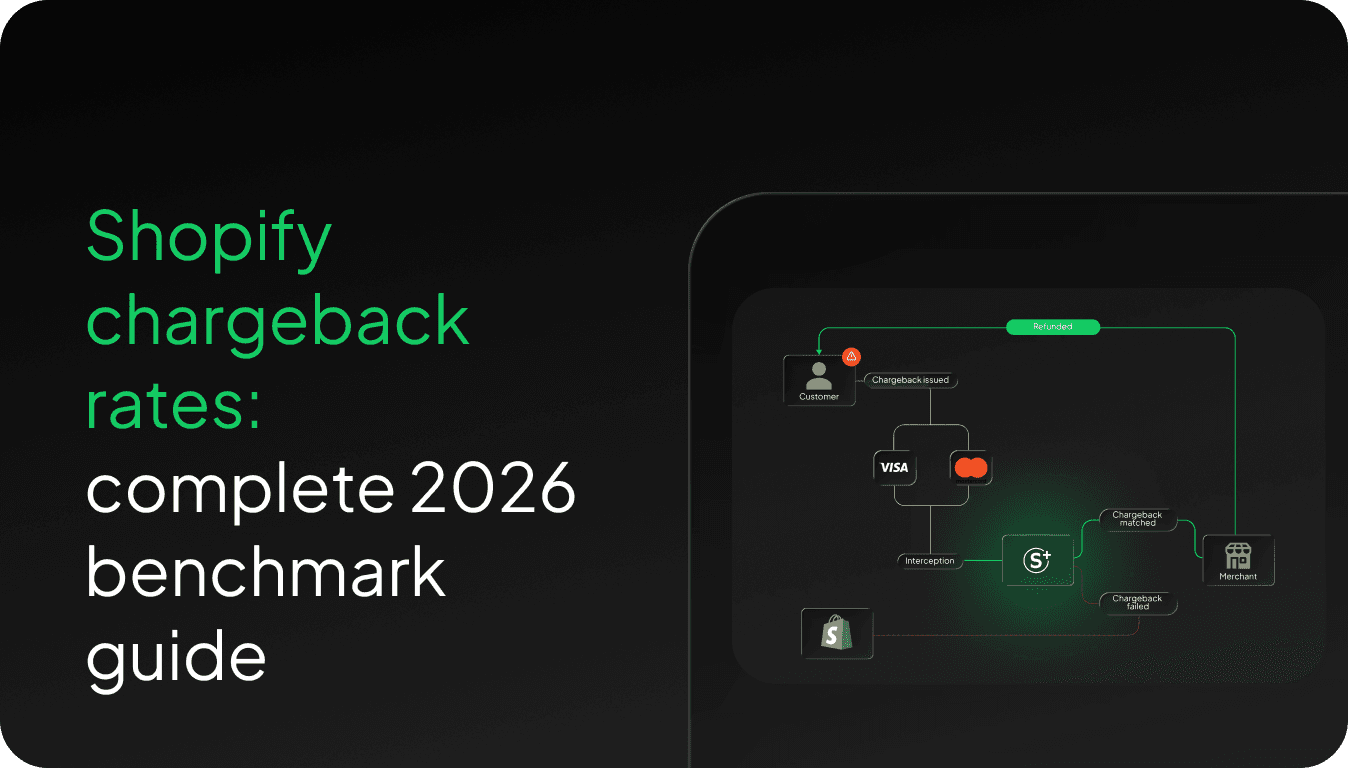
Chargeback alert systems connect directly to Visa and Mastercard networks. When a customer initiates a dispute, you get notified within 24 hours, before it becomes an official chargeback.
The math is clear: refunding a $50 order costs $50. Fighting the same dispute costs far more on average, and you often lose anyway.
Subscribfy’s chargeback prevention achieves high interception rates with Visa and Mastercard certification. The system shows exactly which orders were saved, how each alert was resolved, and total chargeback reduction impact. Full transparency beats black-box solutions that make promises without proof.
Chargeback Rate Optimization by Customer Type
New Customers: higher average rates First-time buyers generate the highest chargeback rates. Implement stricter fraud screening for new customers without purchase history.
Returning Customers: much lower rates Repeat customers rarely dispute legitimate charges. Focus prevention efforts on new customer acquisition channels.
Members vs Non-Members: significantly lower rates for members Paid membership customers show dramatically lower chargeback behavior. The financial commitment creates psychological ownership that reduces disputes.
Pair Eyewear reports 0.09% chargeback rates for members compared to 0.7% for one-time buyers. The paid membership model inherently filters out high-risk customers.
Monthly Monitoring and Reporting
Track chargeback rates monthly, not quarterly. Payment processor penalties trigger based on rolling monthly averages, so quarterly reviews miss dangerous trends.
Essential KPIs to monitor:
Total chargeback rate percentage
Rate by payment method (card vs digital wallet vs BNPL)
Rate by traffic source (Google Ads vs Facebook vs organic)
Rate by product category
Average dispute amount
Win rate on disputes you choose to fight
Set up automated alerts when rates exceed 0.6% in any rolling 30-day period. Early intervention prevents penalty thresholds.
The 2026 Regulatory Landscape
Visa reduced their dispute monitoring threshold from 1.0% to 0.9% in January 2026. Mastercard maintained their 1.5% excessive chargeback threshold but shortened the timeline for remediation.
European merchants face additional scrutiny under updated PSD2 regulations. Strong Customer Authentication requirements reduced fraud chargebacks significantly but increased legitimate disputes due to failed authentication experiences.
US merchants see increasing friendly fraud: customers disputing legitimate charges rather than requesting refunds. According to Chargeflow, friendly fraud accounts for approximately 75% of all chargebacks and is projected to rise 40% by 2026. Prevention beats remediation every time.
Most Shopify merchants treat chargebacks as an inevitable cost of doing business. The smart ones treat them as a competitive advantage. Lower chargeback rates mean better payment processing terms, higher profit margins, and more predictable cash flow.
Start with the basics: clear policies, good customer service, and fraud screening. Then layer in advanced prevention technology as you scale. The investment pays for itself within months, and the operational benefits compound over years.

Book a meeting with our sales team now!
Create predictable revenue from the customers you already have.